


You’ve probably seen the headlines and social media posts claiming that final PFD stimulus checks are set to land on January 15, 2026. Naturally, you want to know one thing above all else: do you qualify, and when will the money actually reach you? These payments matter because they can offer real relief during a time when everyday costs—from groceries to heating bills—continue to rise.
While the term “stimulus” is often used broadly, these payments are rooted in the Permanent Fund Dividend model, which distributes state revenue to eligible residents. This guide walks you through what these January 2026 payments are, who typically qualifies, how payment dates work, and what steps you should take now to avoid delays. By the end, you’ll have a clear, practical understanding of where you stand and how to prepare.
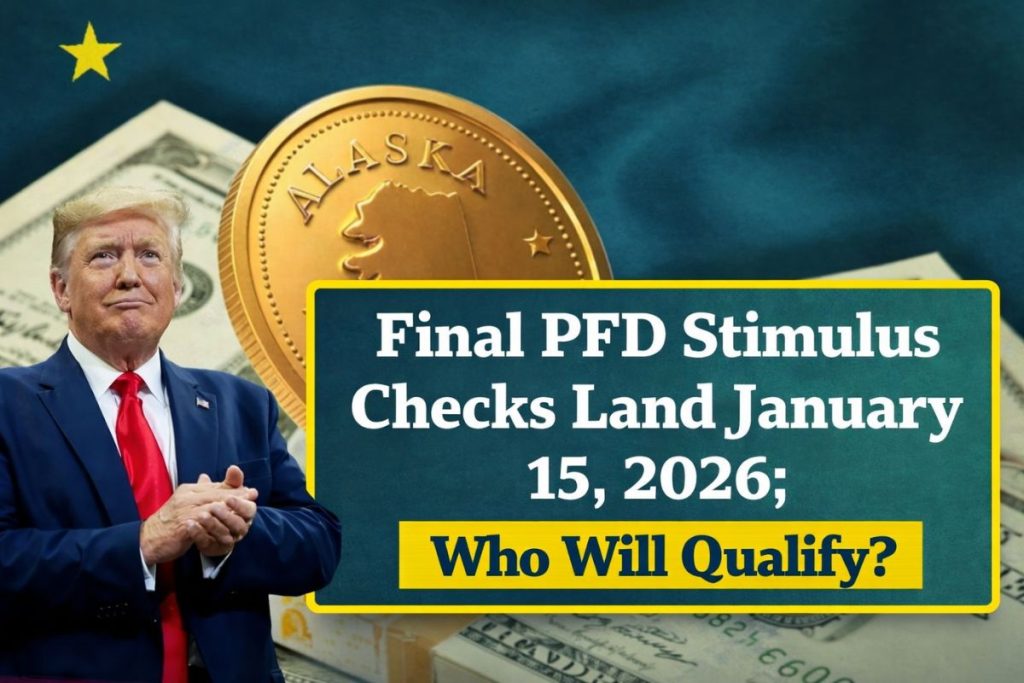
Final PFD Stimulus Checks Land January 15, 2026
When people talk about “PFD stimulus checks,” they are usually referring to payments connected to the Alaska Permanent Fund Dividend framework. This program was designed to share a portion of state revenue—historically from natural resource income—with eligible residents.
Why this matters personally to you
For you, a PFD-style payment can:
- Act as a cash buffer against rising living costs
- Help with essentials like rent, utilities, groceries, or debt
- Arrive without the complex application requirements seen in some federal programs
Unlike federal stimulus checks that are tied to income thresholds, PFD-style payments are usually residency-based, which makes eligibility simpler but also stricter in other ways.
PFD Stimulus Checks January Key Highlights
| What You Need to Know | What You Should Do |
| Residency determines eligibility | Confirm residency records |
| January 15 is a major payout date | Monitor status closely |
| Direct deposit is fastest | Update bank details |
| “Eligible – Not Paid” means pending | Be patient but alert |
| Verification issues cause delays | Respond immediately |
| Official Website | https://pfd.alaska.gov/ |
Why January 15, 2026 Is an Important Date
January payment dates are not random. Historically, PFD-related payments are released in batches, often starting in early January and continuing through mid- or late January.
What January 15 usually represents
- A major distribution date for approved applicants
- A common payout date for people listed as “Eligible – Not Paid” from earlier processing rounds
- A point when both direct deposits and mailed checks are issued
If you are waiting on a payment, January 15 is often when pending cases are finalized.
PFD Stimulus Checks Who Qualifies for the January 15, 2026 Payout
Eligibility is the most important part of this process. While exact rules can change slightly year to year, the core requirements tend to stay consistent.
1. Residency requirements
You typically must:
- Be a qualified resident for the entire qualifying year
- Intend to remain a resident indefinitely
- Avoid establishing residency in another state during the qualifying period
Short trips usually don’t disqualify you, but extended absences can.
2. Legal and compliance status
You may be disqualified if:
- You were incarcerated for certain felony convictions
- You violated specific program compliance rules
- You failed to respond to verification requests
Even one unresolved issue can move your application into “in review” status.
3. Application and verification status
Most recipients fall into one of these categories:
- Eligible – Paid (already received payment)
- Eligible – Not Paid (scheduled for upcoming batch)
- In Review (requires verification or correction)
- Not Eligible (did not meet criteria)
If you are marked Eligible – Not Paid, January 15 is especially important for you.
How Much Will the 2026 PFD-Style Payment Be?
This is where many headlines become misleading.
What is usually true
- The payment amount is fixed per eligible person
- It is not income-based
- It can change yearly based on revenue and legislative decisions
What you should expect
Historically, PFD payments have ranged roughly between $1,000 and $3,000, depending on the year. For planning purposes, you should:
- Budget conservatively
- Avoid spending money you haven’t received yet
- Wait for official confirmation of the exact amount
PFD Stimulus Checks How Payments Are Delivered to You
Direct deposit (fastest)
If your banking information is current:
- Funds often arrive on or slightly before the posted payment date
- No action is required once approved
Paper checks
If you don’t have direct deposit:
- Checks may arrive several days later
- Mail delays can occur, especially in winter months
If you recently moved or changed banks, updating your information is critical.
What You Should Do Right Now to Prepare
1. Check your application status
Log into the official portal and look for:
- “Eligible – Not Paid”
- Any verification notices
- Address or banking flags
2. Update banking and contact details
Even a small typo can delay your payment by weeks.
3. Watch your email and physical mail
Verification requests often have strict deadlines.
4. Plan for timing differences
Not everyone receives funds on the same day, even if approved.
Who Benefits the Most From These Payments
Lower- and middle-income households
The payment represents a larger share of monthly expenses.
Families with multiple eligible members
Each eligible person typically receives a full payment.
Seniors and fixed-income residents
PFD-style payments do not usually reduce federal benefits, but you should confirm how they interact with your specific programs.
PFD Stimulus Checks Common Reasons Payments Get Delayed
- Missing residency documentation
- Unverified absences
- Banking mismatches
- Identity verification issues
Most delays are solvable, but only if you respond promptly.
Important Caveats You Should Not Ignore
- Payment amounts can change until officially announced
- Headlines may exaggerate “final” or “last-ever” language
- Only official portals reflect real eligibility
Avoid relying on social media posts for confirmation.
What to Watch for in the Latest News
You should pay attention to:
- Official program announcements
- Legislative updates affecting funding
- Statements clarifying whether payments are one-time or part of an ongoing program
Language like “final wave” often refers to a payment batch, not the end of the program.
How These Payments Fit Into Your Financial Planning
While helpful, these payments should be treated as supplemental income, not guaranteed ongoing support.
Smart uses include:
- Catching up on bills
- Emergency savings
- Reducing high-interest debt
Avoid committing funds until they are actually received.
Why Staying Proactive Matters
Most missed payments happen not because someone was ineligible, but because:
- They missed a notice
- They didn’t update information
- They assumed approval meant automatic payment
Your attention makes the difference.
The January 15, 2026 PFD-style stimulus payments could be a meaningful financial boost for you—but only if you confirm eligibility, keep your information current, and track your status carefully. These payments are rooted in established residency-based programs, not surprise giveaways, which means accuracy and compliance matter more than speed. By checking official updates, responding to verification requests, and planning conservatively, you put yourself in the best position to receive your payment smoothly and on time. Stay alert, rely on official sources, and treat headlines with caution. When handled correctly, this can be a positive and predictable financial moment heading into 2026.
FAQ’s
When will I receive the January 15, 2026 payment?
Most approved recipients receive funds on or around January 15, but some may see earlier or later deposits depending on verification and delivery method.
How do I know if I qualify?
Check your official application status. Eligibility depends on residency, compliance, and verification—not income.
I changed my bank or address. What now?
Update your information immediately in the official portal to avoid delays or returned payments.



Leave a Reply